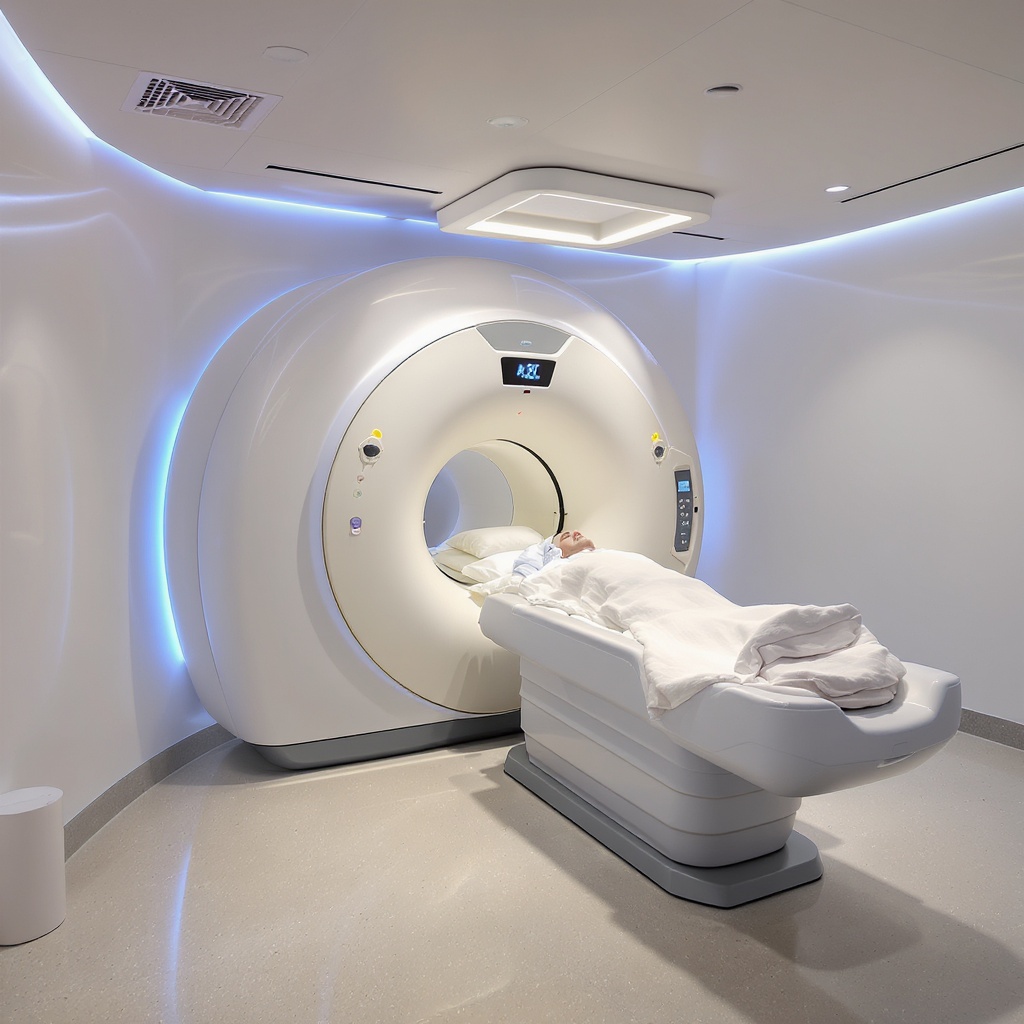
Key Takeaways
- NHS MRI waiting times average 8-14 weeks for a routine scan in 2025/2026, with some areas exceeding 20 weeks — and results take another 1-2 weeks after the scan
- A private MRI in the UK costs £500-£1,500 for a single scan, without comprehensive interpretation or additional screening
- In China, a Grade-A hospital delivers MRI results within 2-4 hours of the scan — same day, fully interpreted by a specialist radiologist
- A standalone MRI in China costs £150-£300; a full health screening package including MRI, CT, bloods, and tumour markers costs £400-£600
- Discovery China's programme combines the full screening with a 10-day Yangtze wellness cruise — making the trip a genuine holiday, not just a hospital visit
The NHS MRI Crisis: How Long Are People Really Waiting?
If your GP suspects you need an MRI scan, here is what actually happens in the NHS in 2026: you get referred, you wait, and then you wait some more.
According to the latest NHS England Referral to Treatment (RTT) data, the median wait for a diagnostic MRI scan is 8-14 weeks depending on your area and the body part being scanned. Brain and spinal MRIs tend to be the longest — 10-16 weeks in many trusts. Musculoskeletal MRI (knees, shoulders, hips) averages 6-10 weeks. Cardiac MRI can exceed 20 weeks at some NHS trusts because of specialist equipment and radiologist availability.
And here is the part most people do not realise: the 8-14 week figure is the wait for the scan itself. After the scan, your images are sent to a radiologist for interpretation. That report takes another 1-2 weeks to reach your GP. Your GP then reviews it and either reassures you or refers you to a specialist — which starts another waiting clock.
The total elapsed time from "your GP thinks you need an MRI" to "a specialist discusses your results with you" is commonly 12-20 weeks. For many patients, that is three to five months of uncertainty, anxiety, and pain.
Why NHS MRI Waits Are So Long
The NHS MRI backlog is not a mystery. It is a predictable consequence of three structural problems that have compounded over the past decade.
1. Not Enough Scanners
The UK has approximately 7.2 MRI scanners per million population. Germany has 34.7 per million. Japan has 55.2 per million. The UK ranks near the bottom of OECD countries for MRI availability. The machines exist — they are just not in NHS hospitals.
The capital cost of an MRI scanner is £1.5-£3 million, plus annual maintenance of £100,000-£200,000. NHS capital budgets have been squeezed for years, and when trusts do get funding, MRI scanners compete with building repairs, IT systems, and other diagnostic equipment. The result: a perpetual shortage of scanner capacity.
2. Radiologist Shortage
MRI scans are useless without a radiologist to interpret them. The UK has a chronic shortage of diagnostic radiologists — the Royal College of Radiologists estimates the NHS is short of approximately 1,900 consultant radiologists, a gap of about 29% of the workforce needed. Every MRI scan produces hundreds of image slices that require expert analysis. When there are not enough radiologists, scans queue up waiting for interpretation even after they are completed.
3. Priority Queuing
The NHS triages MRI requests by clinical urgency. Suspected cancer gets a 2-week urgent pathway. Everything else — chronic pain, degenerative conditions, monitoring, diagnostic uncertainty — joins the routine queue. If your condition is painful but not immediately life-threatening, you wait. And the routine queue is where the 8-14 week averages come from.
The Hidden Cost of Waiting
Waiting 12-20 weeks for MRI results is not just inconvenient — it has real health consequences. Conditions that could be caught early may progress. Musculoskeletal issues worsen without diagnosis-guided treatment. And the psychological burden of waiting for scan results — "scanxiety" — is a well-documented source of stress, insomnia, and lost productivity. Research published in the Journal of Health Psychology shows that diagnostic uncertainty is one of the most stressful aspects of a health scare, often worse than the diagnosis itself.
UK Private MRI Costs: What You Actually Pay
The obvious alternative to the NHS queue is going private. UK private MRI providers — Vista Health, Alliance Medical, InHealth, and various private hospital groups — offer scans with shorter waits, typically 3-7 days from booking. But the cost is significant.
| MRI Scan Type | UK Private Cost | China Grade-A Hospital Cost | Saving |
|---|---|---|---|
| Brain MRI | £750-£1,200 | £100-£180 | 80-85% |
| Spine MRI (single region) | £600-£1,000 | £100-£180 | 80-82% |
| Knee / shoulder MRI | £500-£800 | £80-£150 | 80-81% |
| Cardiac MRI | £1,000-£1,500 | £150-£250 | 83-85% |
| Full body MRI | £1,200-£2,500 | £200-£350 | 82-86% |
| Comprehensive screening package (MRI + CT + bloods + tumour markers) | £3,000-£5,000 (if assembled from add-ons) | £400-£600 | 85-88% |
UK private MRI prices include the scan and a written radiologist report. They do not include a face-to-face consultation to discuss findings, follow-up imaging, or any additional tests. If the MRI reveals something that needs further investigation, you either return to the NHS queue or pay for more private appointments — each one adding £200-£500.
The other limitation of UK private MRI: you get one scan at one price. If you want a brain MRI and a spinal MRI, you pay twice. If you want to add a CT scan of your chest, that is a separate booking. UK private diagnostics is designed as a piecemeal service, not a comprehensive screening experience.
MRI in China: The Same-Day Experience
China's Grade-A (三甲) tertiary hospitals approach MRI scanning completely differently. Because of the volume they handle — a large health check centre processes 500-1,000 patients per day — they have optimised every step of the diagnostic pathway for speed without sacrificing quality.
Here is what a typical MRI experience looks like at a Grade-A hospital:
- Arrival and registration (8:00 AM) — You are met by a bilingual coordinator who guides you through paperwork and consent. MRI safety screening (metal implants, pacemakers, etc.) is completed
- Pre-scan preparation (8:30 AM) — Change into hospital-provided clothing. Any contrast agents are prepared if needed for enhanced MRI
- MRI scan (9:00-10:00 AM) — The scan itself takes 30-60 minutes depending on the body area. Equipment is identical to UK: Siemens Magnetom, GE Signa, or Philips Ingenia scanners
- Parallel processing — While you complete other health screening tests (blood work, ultrasound, ECG), your MRI images are being read by a specialist radiologist
- Results briefing (1:00-3:00 PM) — Your radiologist's report is ready. A physician reviews all findings with you through your coordinator. Same day. No waiting, no anxiety
The turnaround is possible because Chinese Grade-A hospitals have on-site radiology teams working in shifts, reading scans as they come off the machine. There is no bottleneck of reports waiting in a queue. The radiologist reads your images within 1-2 hours, writes the report, and it is ready for your afternoon consultation.
Equipment Quality: No Compromise
The question UK patients always ask: "Are the machines as good?" The answer is straightforward — they are the same machines.
China's Grade-A hospitals purchase from the same three manufacturers that supply every major UK hospital and private clinic: Siemens Healthineers, GE Healthcare, and Philips. A 3T Siemens Magnetom Vida in a Chongqing hospital produces identical image quality to the same scanner at a London private clinic. The physics of magnetic resonance imaging does not change based on the country the machine is installed in.
In many cases, Chinese hospitals have newer equipment than UK facilities. The high volume and revenue of China's health check industry means hospitals can justify upgrading scanners more frequently. A scanner that has run 40,000 scans in two years in China will be replaced sooner than one that has run 5,000 scans in the same period at a UK private clinic — even though both are still well within their operational life.
Not Just an MRI: The Full Body Health Screening Package
Here is what most UK patients discover when they research health screening abroad: the MRI is just one component of a comprehensive package that costs less than a standalone private MRI in the UK.
A standard health screening package at a Chinese Grade-A hospital (£400-£600) includes:
- MRI — brain and spine (or other areas as indicated)
- CT scan — chest (low-dose lung screening) and abdomen
- Ultrasound — abdominal organs (liver, kidneys, pancreas, spleen, gallbladder), thyroid, pelvic
- Full blood panel — 30+ markers including CBC, liver function, kidney function, glucose, HbA1c, lipid profile, inflammatory markers
- Tumour markers — PSA, CEA, AFP, CA-125, CA 19-9, CA 15-3 (6-8 cancer screening markers)
- Cardiac screening — resting ECG, echocardiogram
- Thyroid panel — TSH, T3, T4, antibodies
- Bone density — DEXA scan
- Specialist consultations — cardiologist, oncologist, and physician review
To assemble this same panel of tests at a UK private provider, you would pay £3,000-£5,000 minimum — and it would require multiple appointments across different clinics over several days or weeks.
In China, you complete everything in a single morning, with results delivered the same afternoon.
Results You Can Use: English Reports and UK GP Compatibility
One of the most common concerns from UK patients: "Will my GP accept overseas scan results?" The answer is yes — when they come from a credible hospital with proper reporting.
Grade-A hospital health check centres that receive international patients provide:
- Bilingual reports — full written reports in English and Chinese, using international medical terminology and ICD-10 coding
- DICOM image files — your actual MRI and CT images on CD/USB or via secure digital download, in the universal DICOM format that any UK hospital's PACS system can read
- Standardised lab results — blood work reported in SI units (the standard used by UK labs), with reference ranges clearly marked
- Clinical summary letter — a physician's summary suitable for sharing with your UK GP, highlighting key findings and recommended follow-up
UK GPs regularly receive and use overseas medical reports. The NHS has no policy against incorporating results from accredited international hospitals. What matters is the quality of the report, the accreditation of the facility, and the format of the data — all of which Grade-A hospitals provide to international standards.
The Discovery China Programme: MRI as Part of a Wellness Experience
Getting an MRI abroad does not mean flying to China just for a hospital visit. The Discovery China Wellness Cruise programme wraps the full health screening into a genuine 10-day holiday that makes the entire trip worthwhile.
- Days 1-2: Arrive in Chongqing. Complete your full health screening at a Grade-A hospital — MRI, CT, bloods, tumour markers, cardiac screening, the lot. Same-day results briefing with your bilingual coordinator
- Days 3-7: Board the Yangtze River cruise through the Three Gorges. Tai chi on deck, TCM consultations, acupuncture sessions, onboard wellness workshops. Your health results are processed while you are cruising
- Days 8-9: Follow-up consultations based on screening results. Additional specialist appointments if needed. Traditional Chinese Medicine treatments tailored to your health profile
- Day 10: Departure with your comprehensive English-language health report, DICOM imaging files, and personalised wellness plan
The full programme starts from £2,499 — including health screening, cruise, TCM sessions, bilingual coordinator, and internal transfers. London to Chongqing return flights are typically £450-£650. Total cost for the trip: approximately £3,000-£3,150.
That is less than a UK private MRI plus consultation at many providers — except you also get a CT scan, full blood panel, tumour markers, cardiac screening, a Yangtze cruise, and 10 days in China.
The Visa Situation
UK passport holders can enter China visa-free for up to 240 hours (10 days) under the current transit visa exemption, extended through end of 2026. No application, no embassy visit, no fee. The 10-day programme fits perfectly within this window.
NHS Planned Treatment Abroad Scheme
The NHS does have a mechanism for patients to receive treatment abroad: the S2 form (formerly E112). Under this scheme, if you are on an NHS waiting list and the treatment is available more quickly in another country within the EEA or certain approved destinations, the NHS can authorise and partially fund your treatment abroad.
In practice, the S2 route is rarely used for diagnostic imaging because:
- The administrative process itself takes several weeks, which undermines the speed advantage
- It applies primarily to EEA countries, not China
- Approval requires demonstrating that the NHS wait is "undue" — a subjective threshold
For most UK patients, self-funding a health screening abroad is faster, simpler, and — given the comprehensive package pricing in China — often cheaper than trying to navigate NHS reimbursement for a single MRI. For more on your options, see our complete NHS alternative guide.
Who Should Consider Getting an MRI Abroad?
An MRI scan abroad is not the right choice for everyone. If you have a suspected urgent condition (acute stroke symptoms, suspected spinal cord compression), you need emergency NHS care — not a flight to China.
But for a large number of UK patients, an MRI abroad makes compelling sense:
- Patients facing 8-14+ week NHS waits for routine MRI scans — particularly musculoskeletal, brain, and spinal imaging
- Anyone paying privately anyway — if you are already spending £500-£1,500 for a UK private MRI, the same budget gets you a full health screening in China
- Patients wanting comprehensive screening — an MRI alone tells you about one body area. A full screening package (MRI + CT + bloods + tumour markers) gives you a complete picture of your health
- People aged 45-65 who want annual or biannual health checks but find UK private screening prohibitively expensive
- Anyone with family history of cancer, cardiac disease, or neurological conditions who wants proactive imaging-based screening rather than waiting for symptoms
- Couples and families who can combine health screening with a genuine holiday experience
Important: A health screening abroad does not replace your relationship with your UK GP. Always share your overseas screening results with your GP and discuss any findings that need follow-up. Discovery China provides all results in a format that UK clinicians can immediately interpret and action.
How to Get Started
If you are tired of waiting months for an MRI that takes 30 minutes, here is the process:
- Free consultation — Book a free consultation to discuss what imaging and screening you need, your health priorities, and preferred travel dates
- Package selection — We recommend the right screening package based on your age, health history, and specific concerns. Full pricing is transparent here
- Travel planning — Flights, visa-free entry, hospital appointments, airport transfers, and your bilingual coordinator are all arranged
- Screening day — All tests completed in a single day. MRI, CT, bloods, tumour markers, cardiac screening. Same-day results
- Your wellness cruise — Board the Yangtze for 5 days of tai chi, TCM, and recovery while your comprehensive report is finalised
- UK follow-up — Share your English-language report and DICOM imaging files with your GP. We provide everything in NHS-compatible format
Use our savings calculator to see exactly how much you save compared to UK private imaging and screening.
Frequently Asked Questions
Can I get an MRI scan abroad with same-day results?
Yes. Grade-A hospitals in China routinely deliver MRI results within 2-4 hours of the scan, and certainly within the same day. The scan itself takes 30-60 minutes depending on the body area. Your results are reviewed by a radiologist and delivered as a written report — in English for international patients — on the same day. By contrast, NHS MRI results typically take 1-2 weeks after the scan, with the initial wait for the scan appointment averaging 8-14 weeks.
How much does a full body MRI abroad cost for UK patients?
A full body MRI at a Grade-A hospital in China costs £150 to £300 as a standalone scan. However, most UK patients opt for a comprehensive health screening package (£400-600) that includes MRI plus CT scan, blood panel, tumour markers, cardiac screening, and specialist consultations — all completed in a single day. In the UK, a private MRI alone costs £500 to £1,500 depending on the body area, without any additional screening tests.
Is it safe to get an MRI scan in China as a UK patient?
Yes. China's Grade-A (三甲) tertiary hospitals use the same MRI equipment as UK hospitals — Siemens Magnetom, GE Signa, and Philips Ingenia scanners. These machines are manufactured to identical international safety specifications regardless of where they are installed. The radiologists at Grade-A hospitals are highly trained specialists, many with international qualifications. Results are provided in English and formatted so your UK GP can immediately interpret them.
Continue Your Research
Get the MRI Abroad Cost Comparison Guide
Enter your email for a detailed PDF comparing NHS, UK private, and China MRI costs — with full screening package breakdowns.